🚗 VAG Car Catalog
✖
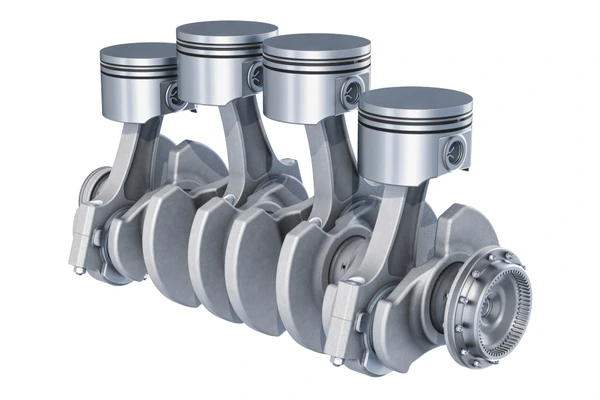
Cylinders in a straight line — common in many cars (I4, I6).
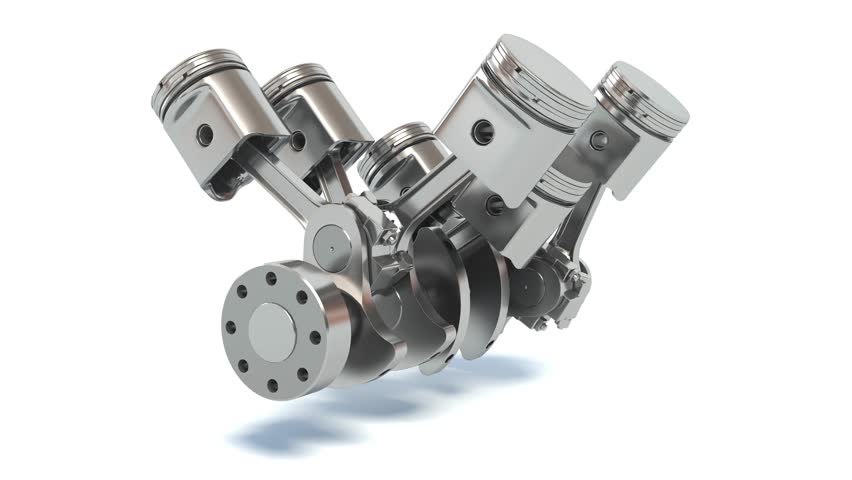
Cylinders in a V shape — common for performance and smooth power.

Horizontally opposed cylinders for a low center of gravity.
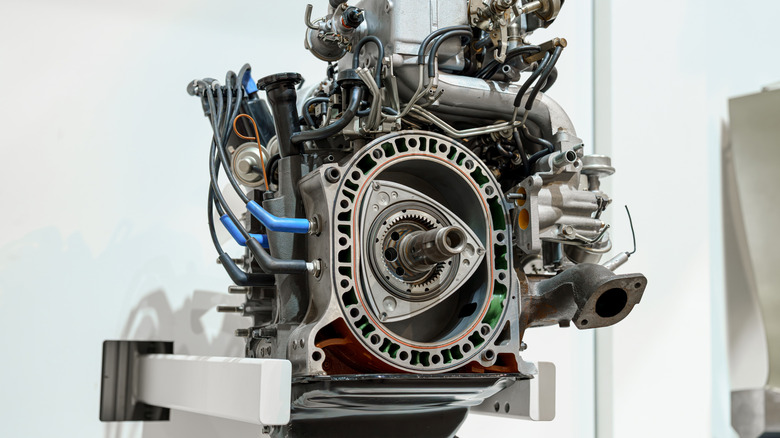
Uses a rotating triangular rotor instead of pistons.

Four-stroke cycle is used in most modern cars.
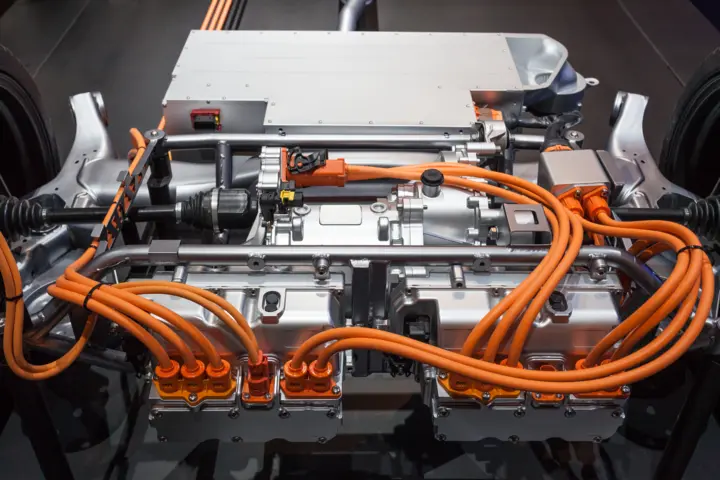
Electric motors and hybrid systems used in modern cars.
Volkswagen Group’s diesel lineup — used across VW, Audi, SEAT, Škoda — is built on the TDI (Turbocharged Direct Injection) concept, meaning direct diesel injection with a turbocharger for torque and efficiency.
This generation includes 1.2 TDI, 1.6 TDI and 2.0 TDI common‑rail diesels. It was widely used in Golf 6, Octavia 3, A3 8P and Passat B7.
1.6 TDI (CAYA, CAYB, CAYC …) — ~90–105 PS
2.0 TDI (CFGB, CFFB …) — ~110–170 PS
These have DPF (FAP) and EGR systems prone to clogging and emission system faults.
Improved design, better emissions, SCR (AdBlue) on newer versions, used in Golf 7/8, Passat B8, Octavia 3 and Tiguan.
1.6 TDI EA288: ~90–115 PS
2.0 TDI EA288: ~110–190 PS
Includes modern common‑rail, SCR/AdBlue & more advanced emission controls.
📊 These engines are found in VW, Audi, Škoda, and SEAT cars — e.g., Golf, Passat, Octavia, A3, Leon, Tiguan etc.
The DPF collects soot to reduce emissions but clogs on short, urban trips due to low exhaust temps, leading to:
Loss of power / limp mode
Frequent warning lights
Poor fuel economy and smoke issues
📌 Solution:
✔ Use VCDS to force a regeneration (see video below).
✔ If forced regen fails, professional cleaning or replacement is needed.
🎥 How to with VCDS:
👉 DPF Regeneration Using VCDS (Video)
➡️ https://www.youtube.com/watch?v=gwA1VRRkBrk
👉 DPF Forced Regeneration (Video)
➡️ https://www.youtube.com/watch?v=O-sT6KqEpPg
💡 Tip: After cleaning or replacing a DPF you must reset/adapt the system via VCDS so the ECU learns the new filter characteristics.
The EGR valve recirculates exhaust gas to reduce NOx. Over time carbon builds up, causing:
Check Engine light (codes like P0401)
Rough idle
Reduced performance & acceleration
📌 Solutions:
✔ Clean EGR valve and cooler to remove carbon deposits.
✔ Use VCDS to recalibrate sensors after cleaning.
✔ Consider EGR delete kit if legal in your region.
🔧 EGR Delete Kits:
➡️ Suppression/EGR delete parts (e.g., Dynaparts) for 2.0 TDI on Vag‑Perf guides.
🎥 Example VCDS off‑road / EGR disable demo:
👉 https://www.youtube.com/watch?v=h4WUTApCVU8
⚠️ Important: Deleting emissions components may be illegal in many countries; always include a legal/environmental disclaimer in your blog.
VCDS (VAG‑COM Diagnostic System) is a powerful software used with a compatible OBDII cable to interface with VW/Audi diesel ECUs for diagnostics, regen, adaptations, coding or disabling specific systems.
✔ Common uses of VCDS on diesel engines:
Read/clear fault codes
Forced DPF regeneration
Reset DPF adaptation after cleaning
Monitor sensor data (EGR, turbo, soot load)
Adjust engine coding after hardware mods (EGR/DPF delete)
(summarized steps — reference detailed guides/video)
Connect VCDS cable to OBDII port
Start engine, warm up to operating temp
Go to Engine Control Module
Measuring Blocks → Group showing DPF soot loading
Trigger “Forced Regeneration / Maintenance Regen” via the Basic Settings menu
Monitor temps and soot load until regen completes.
👉 For visual instruction, watch:
DPF Regeneration using VCDS → https://www.youtube.com/watch?v=gwA1VRRkBrk
You can either:
1) Mechanically remove the EGR valve & cooler and blank it off
2) Use software (coding/eeprom) modifications to disable it via VCDS or ECU tools
⚠️ Deleting EGR electronically without remapping may trigger errors — proper ECU remap/tuning is often required after hardware delete.
📹 DPF Regeneration with VCDS (Video)
https://www.youtube.com/watch?v=gwA1VRRkBrk
📹 DPF Forced Regen / Tutorial (Video)
https://www.youtube.com/watch?v=O-sT6KqEpPg
📹 VCDS EGR Coding Demo
https://www.youtube.com/watch?v=h4WUTApCVU8
| Issue | Symptoms | Fix/Tool |
|---|---|---|
| DPF clogging | Loss of power, regen lights | VCDS forced regen, cleaning, replacement |
| EGR clogging | Rough idle, black smoke | Clean EGR, recode, or delete & remap |
| Check Engine codes | P0401, P2002, P2452 etc. | Scan with VCDS, clear & repair parts |
| Turbo soot buildup | Reduced performance | Cleaning, oil change, EGR fix |
1. Volkswagen Golf 7 (2012–2020)
_%E2%80%93_Frontansicht,_17._Juni_2014,_D%C3%BCsseldorf.jpg)
Overview:
The VW Golf 7 is a compact hatchback with petrol (TSI) and diesel (TDI) engines, part of the MQB platform.
Common Problems:
DSG gearbox hesitation or mechatronic failures.
Timing chain tensioner issues on 1.2/1.4 TSI engines.
Oil consumption in 1.4 TSI EA211 engines.
DPF clogging in diesel variants.
Fixes / Solutions:
DSG: Replace mechatronic unit or perform software update.
Timing chain: Replace tensioner and chain early to avoid engine damage.
Oil consumption: Monitor and top-up oil regularly; possible piston ring replacement.
DPF: Regular long drives, DPF cleaning or replacement if needed.
Engine Info:
1.0–2.0L TSI petrol, 1.6–2.0L TDI diesel.
Power: 85–230 hp.
FWD standard, 4MOTION AWD optional.
Maintenance Tips:
Oil change every 10,000 km.
DSG fluid change every 60,000 km.
Timing chain check at 100,000 km.
Brake fluid every 2 years.
VAG Full Car Catalog 200+ 🚗 VAG Car Catalog All Brands Volkswagen Audi Skoda Seat Cupra BMW Mercedes All Fuel Petrol Dies...


 Volkswagen Engine Explorer